Nanotechnology for biomedical application
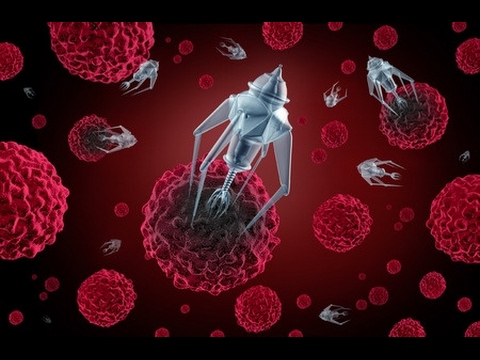
Nanotechnology has many definitions and packages. However, all definitions spotlight the design and development of exceptionally ordered bottom–up nanostructured materials that provide particular responses whilst uncovered to positive stimuli (Saji et al. 2010). Surface chemistry and physics “music” the applications of Nanosized substances. The concentration of atoms on the floor of those structures represents as much as ninety% of their overall mass and consequences in superior reactivity. In this experience, editing the surface of a nanomaterial in special ways can produce substances with wonderful biological residences and functionalities for a specific end application and with advanced solubility below physiological situations (Gupta et al. 2007; Kasemo 2002). Nanotechnology products have become an increasing number of users in biomedicine and feature brought about the advent of hybrid technological know-how named Nanobiotechnology (Saji et al. 2010). Nanomaterial has noteworthy applications in Nanobiotechnology, in particular in diagnosis, drug delivery structures (Faraji and Wipf 2009), prostheses, and implants.
- Metal nanoparticles
- Carbon nanotubes
- Toxicology of nanomaterial
- Biomedical applications of metal oxide nanoparticles
- Liposomes and Nanobiotechnology
- Nanotechnology to engineer the surface of metallic implants